
Side effects are an unfortunate, but natural, part of taking new medications. While you may think of side effects like headache and fatigue, medications can also impact your oral health. One side effect that can influence your oral health is medication-induced dry mouth. This can be incredibly frustrating, especially when it leads to cavity development.
You likely don’t want to stop taking an essential medication due to this dry mouth, but it may also be taking a major toll on the long-term health of your teeth. If you’ve never experienced cavities before, you may consider stopping medication use. However, finding a good way to maintain the health of your smile while taking essential medications is crucial.
You shouldn’t have to prioritize one aspect of your health at the expense of another. In this blog, we’ll explore how medication-induced dry mouth occurs and what you can do to offset it.
How Medications Reduce Saliva Production and Disrupt Oral Health
It isn’t uncommon for some new prescriptions to lead to medication-induced dry mouth, but what exactly is the root cause of the problem? Some medications, most commonly those with anticholinergic properties, are known to reduce your natural saliva production. They disrupt nerve signals to the salivary glands, reducing overall salivary flow.
Other medications, like diuretics, can reduce your salivary flow rate (SFR). This is the typical rate of saliva production based on stimulation and activity. Some medications are known to significantly reduce this, leading to chronic dry mouth, also known as xerostomia. But the impact goes beyond simple saliva production.
In some cases, your medication use can also impact the composition of your saliva. Your saliva has a natural pH of 6.2-6.7, essential for neutralizing acids from food and bacteria and protecting your teeth. However, some medications can increase the pH of your saliva, making it far more acidic and aggressive on your teeth.
Common Prescriptions That Can Lead to Dry Mouth and Cavities
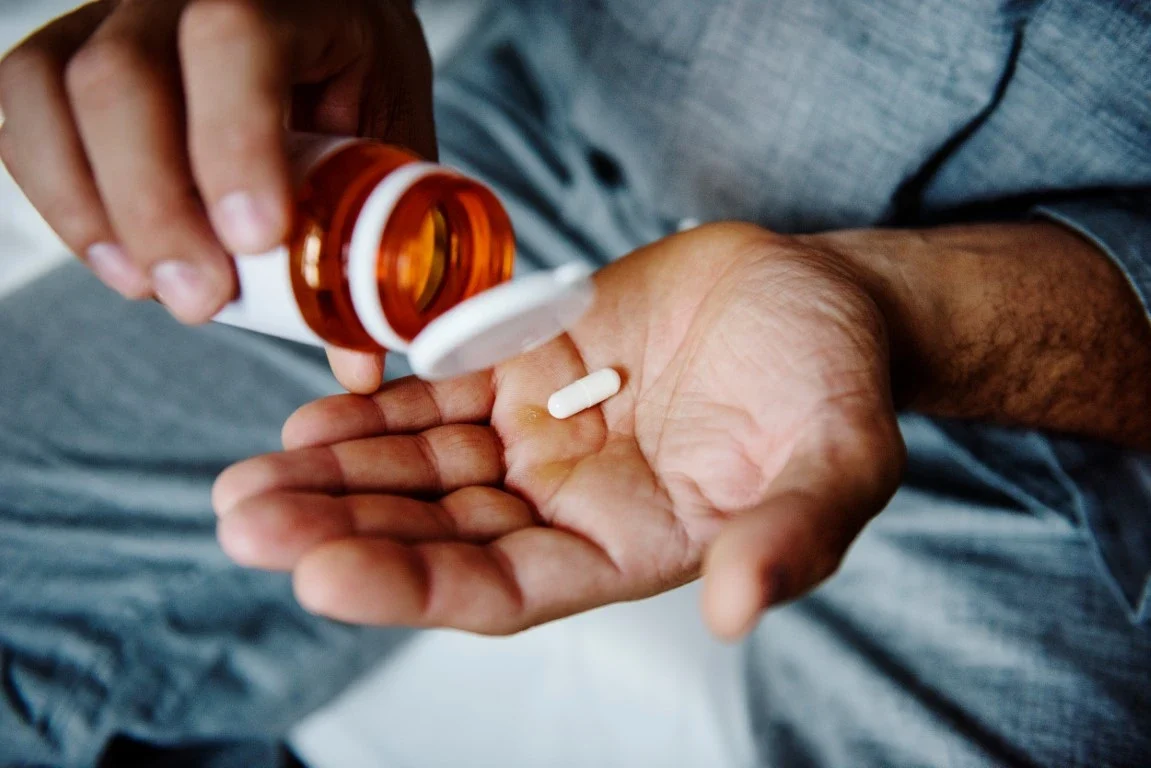
While there is a risk of experiencing side effects with any medication, there are a few common prescriptions that are known to lead to medication-induced dry mouth. If you are taking any of the following medications and currently experiencing medication-induced dry mouth, understand that it is an unfortunate by anticipated side effect of your prescription:
- Antihistamines and decongestants
- Antidepressants and anti-anxiety medications
- Blood pressure and heart medications
- Opioid pain medications
- Muscle relaxants
- Parkinson’s Disease medications
- Inhaled corticosteroids
If your medication-induced dry mouth is causing extreme discomfort, please reach out to your primary care provider for support. They may be able to adjust dosage or make alternative suggestions to protect your health while limiting these uncomfortable side effects.
Why Dry Mouth Creates the Perfect Environment for Tooth Decay
Your saliva acts as the first line of defense against aggressive bacteria and acid that may otherwise compromise the structure and long-term health of your teeth. When you’re experiencing medication-induced dry mouth, this creates the perfect storm for tooth decay, among many other potential oral health complications.
Without adequate saliva production, there is nothing to rinse away these bacteria and acids. When these are rinsed away, your enamel has a chance to remineralize. However, without it, the acids eat away at your enamel and plaque begins to accumulate more rapidly, increasing your risk of developing cavities.
But the risks go beyond cavities. Individuals who are experiencing medication-induced dry mouth may also be at risk of a few other oral health problems, like gum disease and oral infections like thrush. If you’ve recently begun experiencing any of these problems, it may be time to reach out to a dentist for professional advice and support.
Signs Your Medication Is Affecting Your Oral Health
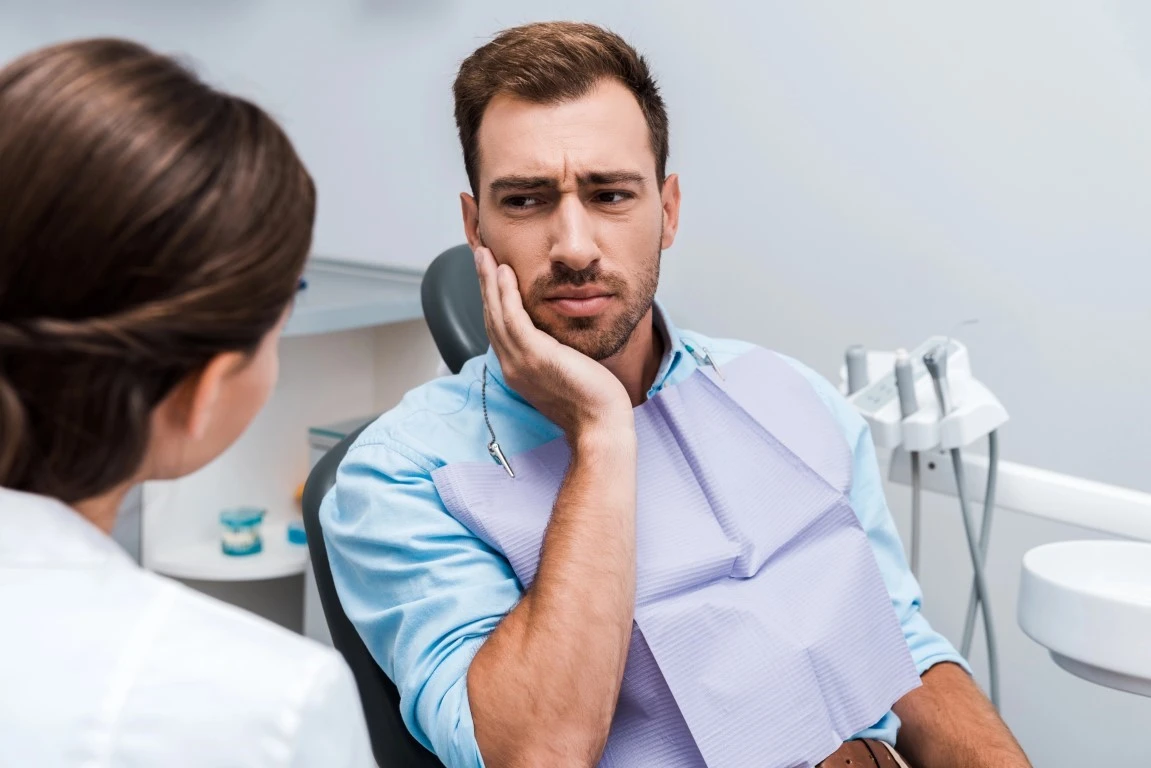
While dry mouth is one of the most common side effects you will experience that indicates your medication is affecting your oral health, this isn’t the only thing you can notice. There are a few other clear signs your medication is taking a negative toll on your oral health, including:
- Gum overgrowth and swelling
- Increased oral infection frequency, including thrush
- Changes in taste, specifically persistent metallic or bitter taste
- Frequent oral ulcers and sores
- Yellow-brown staining on your teeth
If you’ve experienced any of these side effects and you’re unsure whether your experience is abnormal or severe, it is best to reach out to a dentist or primary care provider for support. They can assess your symptoms and make essential recommendations to restore your comfort.
How to Prevent Cavities Caused by Medication-Induced Dry Mouth
Although you can never entirely eliminate your risk of developing medication-induced dry mouth, there are a few things you can do to protect yourself from cavity development. If you want to protect your smile from decay, consider the following:
- Brush twice daily with a fluoride toothpaste and floss once daily.
- Incorporate prescription-strength fluoride toothpaste and gels for added support.
- Sip water regularly throughout the day in place of sodas and juices.
- Use saliva substitutes, including gels, sprays, and rinses for temporary relief.
- Limit your consumption of alcohol and use of tobacco products.
- Avoid dry, crunchy, and heavily salted foods that may increase dry mouth symptoms.
- Run a humidifier in your bedroom at night to reduce mouth dryness.
- Schedule twice-yearly check-ins with your dentist
While some side effects are unavoidable, there are things you can do to limit or eliminate your discomfort. Don’t spend another day fighting with dry mouth when there are so many wonderful options for restoring comfort and ensuring the health of your teeth.
Turn to Mills River Family Dental for Expert Support
Whether you’re experiencing medication-induced dry mouth or simply want to work with a supportive dental team, our team at Mills River Family Dental is here and ready to help. For years, we’ve provided comprehensive, compassionate dental care to patients across Mills River, NC, and beyond. From minor cavities and early gum disease treatment to cosmetic dentistry, wisdom tooth removal, and more, our team is here to offer expert support.
If you would like to learn more about our services or discuss your medication-induced dry mouth, reach out to us today by filling out an online contact form or calling us at 828-799-0900.