Table of Contents
- What is a Dental Bridge and How Does It Work?
- Understanding Dental Implants
- Key Differences Between Dental Bridges and Implants
- Cost
- Timeline
- Lifespan
- Bone Health
- Invasiveness
- Which Option is Right for Your Smile and Oral Health?
- Transform Your Smile with Our Expert Team
Losing one or more teeth can take a major toll on the function and appearance of your smile. Regardless of what teeth you lose, you may find yourself struggling to eat or avoiding spending time with your loved ones. Thankfully, there are several modern dental procedures that can help you replace these missing teeth, including a dental bridge or implants.
Each of these modern prosthetics offer ample benefits, which can make it difficult to choose between them. While you might want to make the investment, which is right for your smile? In this blog, we’ll explore the many benefits of each, explain why they may not fit your smile, and help you make the best decision to transform your smile.
What is a Dental Bridge and How Does It Work?
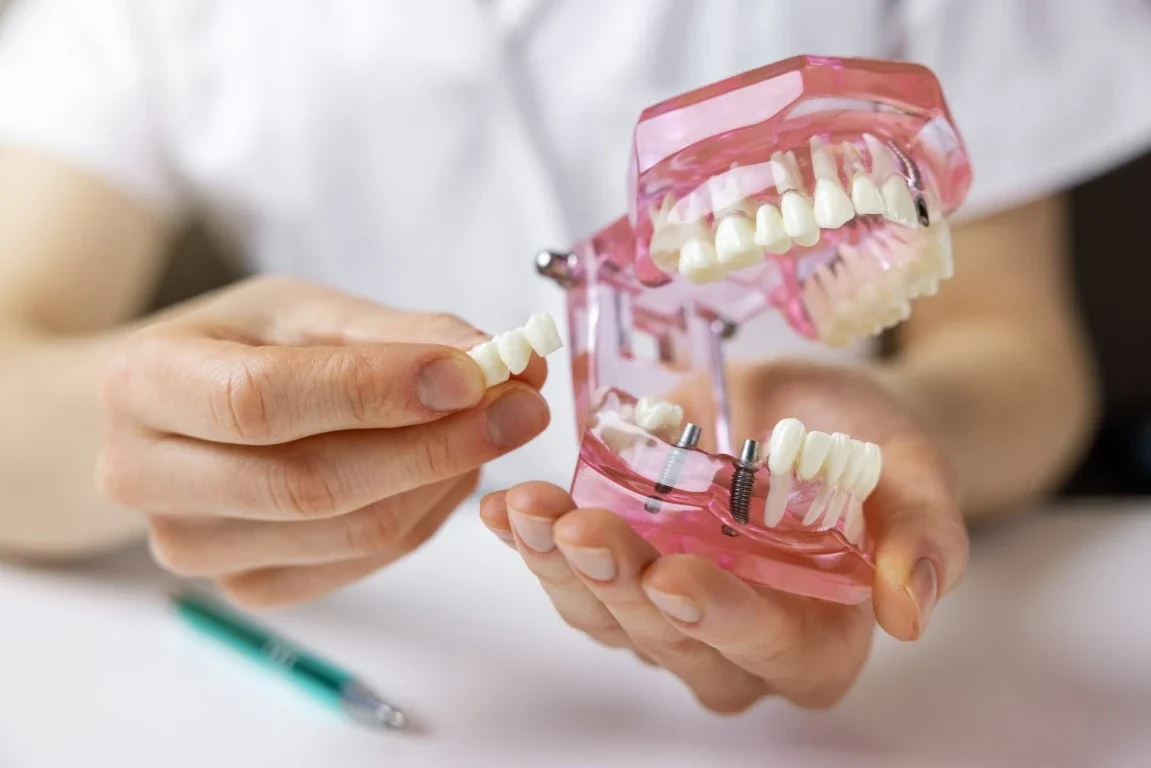
A dental bridge is a prosthetic device that is designed to help bridge the gap that is left behind when you lose a tooth. These devices are designed to replace one or more teeth. But how does it do this? When you get a dental bridge, your dentist will design the prosthetic to anchor itself to the adjacent teeth and fill the gap with artificial teeth.
During the fitting process, the adjacent teeth are reshaped to fit the crowns which will support the bridge. Your dentist will then take an impression of your teeth to be sent to a lab to create your custom bridge. They may also choose to place a temporary bridge while waiting for your custom device to be designed.
Once it is delivered, your dental team will remove the temporary bridge and fit you for your permanent bridge. They’ll make adjustments to ensure you can wear the prosthetic comfortably, and then cement it onto the abutment teeth. With it inserted, you can eat, drink, and speak as you did before you lost your natural teeth.
Understanding Dental Implants
While some people may love a dental bridge, you may be interested in learning more about dental implants. Implants are a more secure dental prosthetic that is inserted into your jawbone, helping you avoid slipping, sliding, and discomfort. However, the installation process of a dental implant can be a bit more complicated than bridge installation.
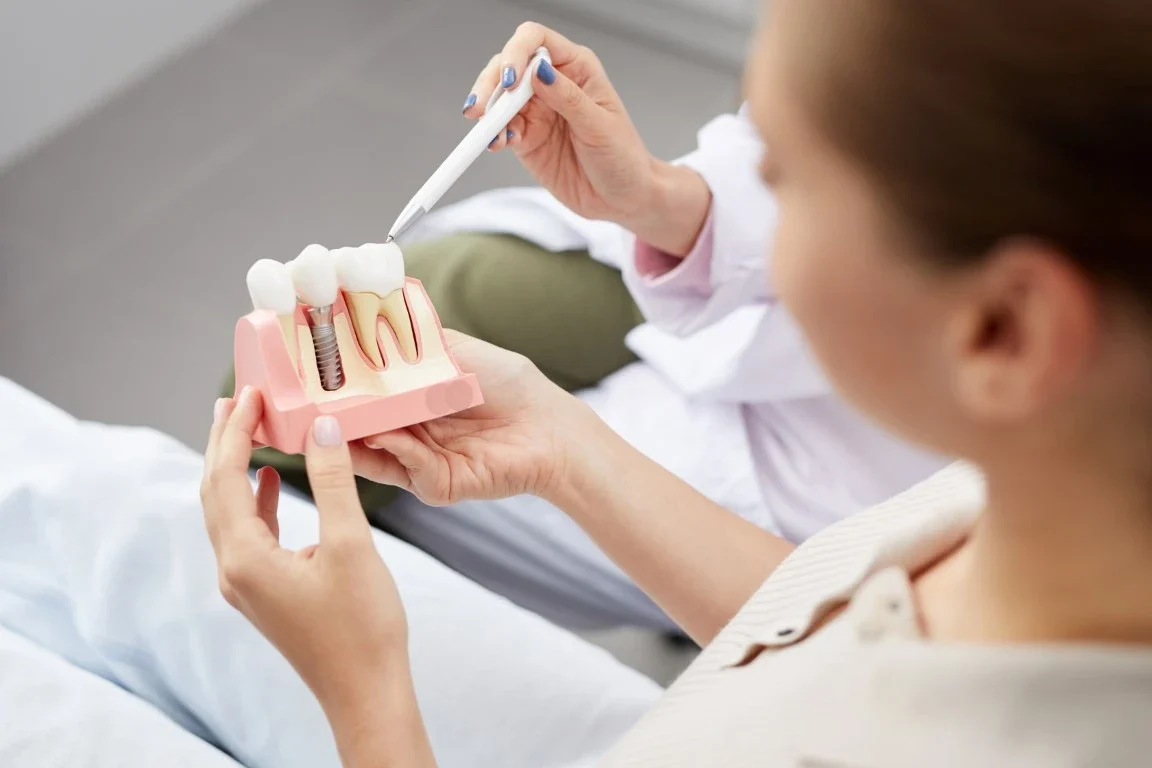
Your dentist will need to insert the post for your prosthetic, and in some cases, it may take months for the post to fuse with your jawbone before the crown can be placed on top of it. However, once inserted, your implant will blend seamlessly with the surrounding teeth and you won’t have to worry about teeth shifting or bite changes.
Key Differences Between Dental Bridges and Implants
Each of these prosthetic devices are incredible options for any patient who is missing one or more teeth. However, there are a few major differences between dental bridges and implants that you will need to consider before deciding which is right for you. Some of the most significant differences between these prosthetics include:
Cost
The biggest difference between the two options is the cost. Dental bridges are the less expensive of these two options. On average, a dental patient can expect to pay between $550 and $1,500 for a new bridge. However, dental implants can cost over $5,000, which may make them an unappealing option if you are working on a limited budget.
Timeline
As mentioned above, dental implant insertions often have a far longer timeline than when you choose to get a dental bridge. Some dental implant procedures, including healing time, can take up to six months. Bridges, on the other hand, can be completed in just a few short weeks. If you want to replace missing teeth quickly, this often makes them a more attractive option.
Lifespan
When you invest in dental prosthetics, you don’t just want them to look their best for a few months. You want a prosthetic that is built to last. Dental bridges have an anticipated lifespan of between 10 and 15 years, while well-maintained dental implants can last over 20 years. While implants are more expensive, this extended lifespan can make them more appealing.
Bone Health
If you’ve lost a tooth, it can impact the underlying bone health, but some prosthetics can keep your jawbone healthy. Dental implants stimulate the bone tissue, ensuring you don’t deal with bone density loss over time. However, bridges do not stimulate the bone, which can result in bone loss and changes to facial structure over time.
Invasiveness
Getting dental implants can be a far more invasive process than getting a bridge. In some cases, you may need to get a bone graft before the posts are inserted. Once you’ve healed from the bone graft, you’ll need surgical post insertion. If you’re looking for a less invasive procedure, this complex process may put you off of choosing dental implants.
Which Option is Right for Your Smile and Oral Health?
Ultimately, the decision of whether a dental bridge or implants are right for you is an incredibly personal one. However, based on your budget, insurance coverage, and needs from a dental prosthetic, you should be able to make an informed decision that will benefit your long-term oral health success.
If you’re struggling to decide between these options, it’s best to reach out to your trusted dental team for support. With a comprehensive oral health exam, X-rays, and an understanding of your oral health history, they can help you make a decision that won’t just benefit you today, but for years to come.

Transform Your Smile with Our Expert Team
Whether a dental bridge or implants are right for you, it is essential to work with a team of trusted dental professionals to ensure the long-term health and success of your smile. If you’re looking for a trustworthy dental team in the Mills River, North Carolina, area, turn to our team at Mills River Family Dental for support. For over 20 years, we’ve provided comprehensive dental care to patients across the area, and we’re confident that we will do the same for you.
If you’re ready to transform your smile with new dental prosthetics, don’t hesitate to contact us today to schedule an appointment.